
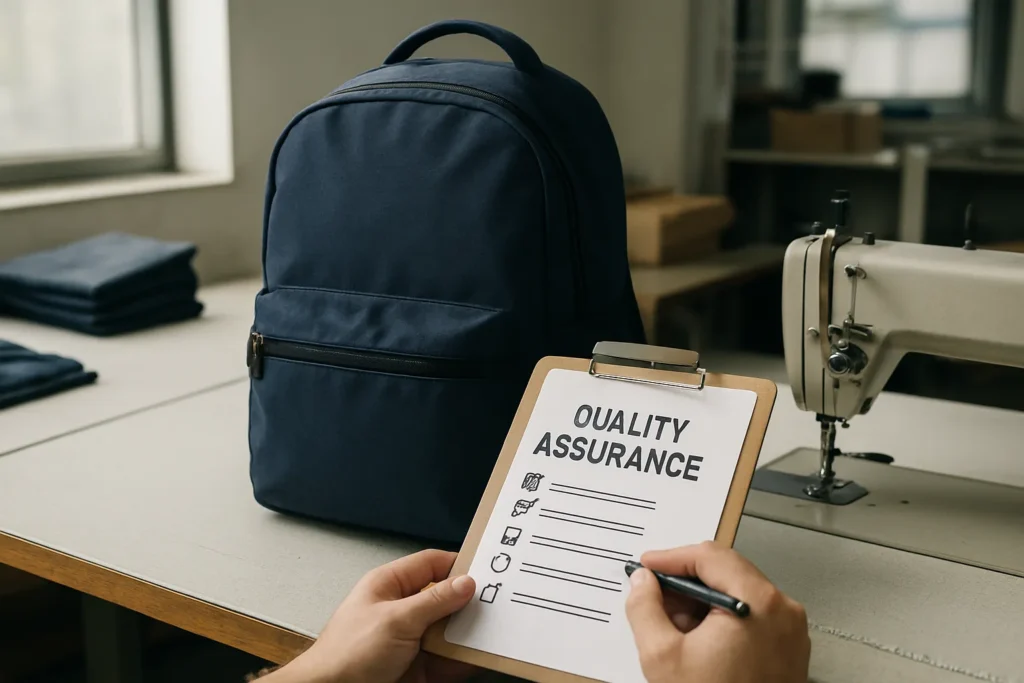
The Importance of Quality Assurance in Backpack Production
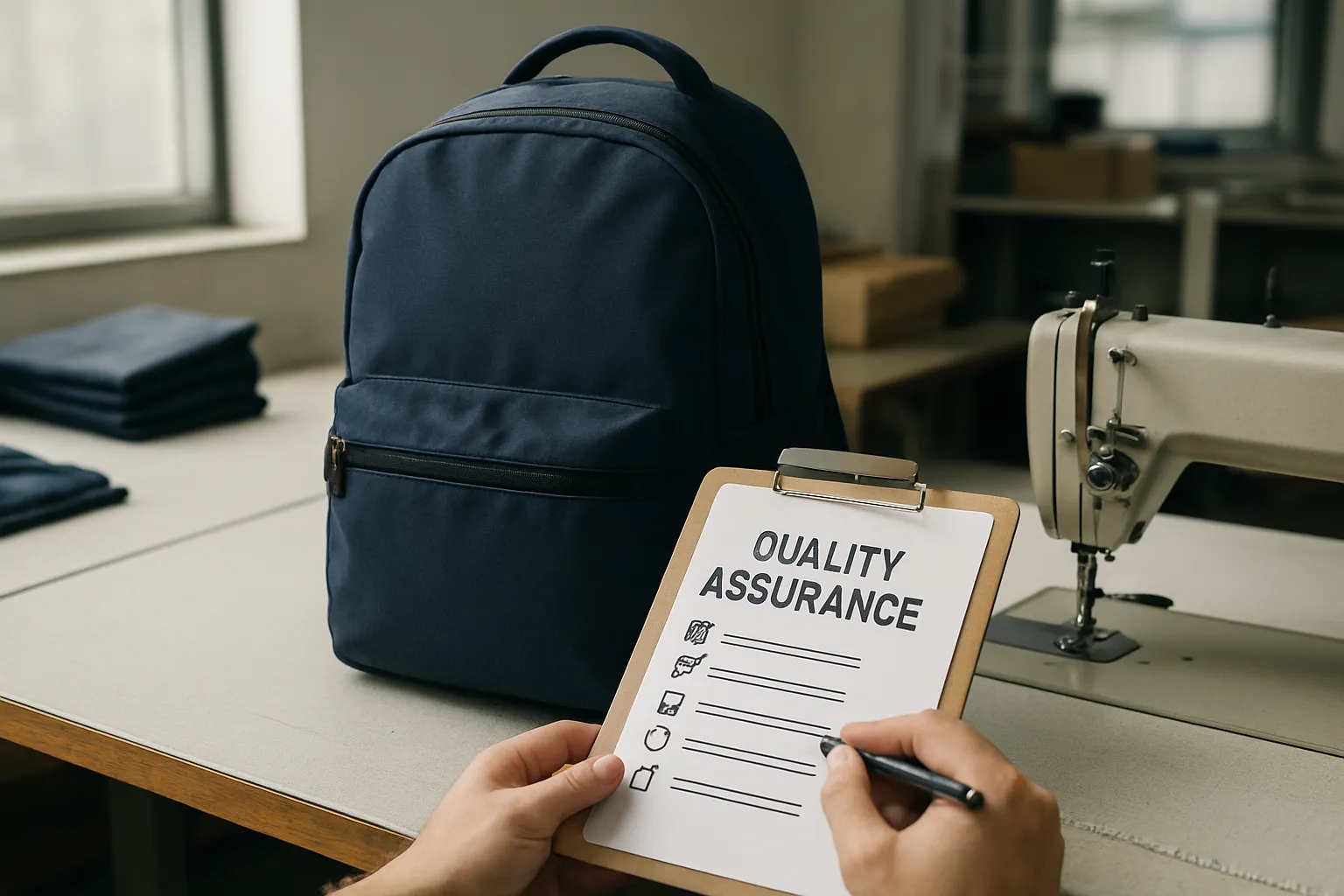
Introduction to Quality Assurance in Backpack Production
Quality assurance (QA) is a systematic approach aimed at ensuring that products adhere to specific quality standards. In the realm of backpack production, QA is vital for maintaining the integrity, functionality, and safety of the final product. As the backpack market continues to expand, the significance of quality assurance becomes even more critical—not only for consumer satisfaction but also for enhancing brand reputation and ensuring competitiveness in the market.
Key Specifications for Quality Assurance
To implement effective quality assurance in backpack production, several essential specifications must be followed:
- Material Standards: The selection of materials is fundamental to the quality of backpacks. High-quality fabrics, zippers, and straps are essential for durability and usability. In my experience, manufacturers must ensure that materials meet industry standards for strength, water resistance, and environmental impact.
- Design Specifications: A well-crafted backpack not only attracts consumers but also improves functionality. Quality assurance processes should include checks against design specifications to confirm that dimensions, weight distribution, and ergonomic features align with the intended use.
- Durability Testing: Backpacks endure various stresses throughout their lifecycle, from daily commutes to outdoor adventures. Rigorous durability testing—including load tests, abrasion resistance, and seam strength evaluations—is crucial in quality assurance to guarantee that products can withstand real-world conditions.
Use Cases of Quality Assurance in Backpack Manufacturing
Quality assurance practices differ across various sectors of backpack manufacturing:
- Retail Backpack Production: In the retail sector, quality assurance is essential for meeting consumer expectations. Retail backpacks must be visually appealing while also serving their functional purpose. QA processes help ensure that each product aligns with brand standards and fulfills customer needs.
- Specialized Backpack Applications: Backpacks designed for specific activities, such as hiking or medical use, require customized quality assurance measures. These backpacks must meet specific performance criteria, including weight limits and specialized features like hydration systems or medical compartments.
- Custom Backpack Solutions: Custom backpacks, often created for corporate branding or promotional purposes, necessitate stringent quality assurance to ensure that the final product accurately reflects the brand’s image and meets client specifications.
Comparing Quality Assurance Practices
When assessing quality assurance in backpack production, it is important to consider:
- Domestic vs. Overseas Manufacturing: Domestic manufacturers may provide closer oversight and quicker responses to quality issues, while overseas production can offer cost advantages. However, the latter often necessitates more rigorous quality assurance processes to mitigate the oversight gap.
- Industry Standards and Certifications: Adhering to recognized industry standards and obtaining certifications can bolster a manufacturer’s credibility. Certifications such as ISO 9001 signify a commitment to quality management systems.
- Cost Implications of Quality Assurance: While investing in quality assurance may seem costly at first glance, the long-term savings derived from reduced returns, heightened customer satisfaction, and increased brand loyalty can far outweigh these initial expenses.
Sourcing Quality Assurance in Backpack Manufacturing Services
When sourcing backpack manufacturing services, consider the following:
- Evaluating Manufacturers: Assess potential manufacturers based on their QA processes, historical performance, and customer reviews. A proven track record in quality assurance is a strong indicator of reliability.
- Importance of Supplier Relationships: Cultivating strong relationships with suppliers can lead to improved quality assurance practices. Open communication and collaboration can facilitate the resolution of quality issues more effectively.
- Quality Assurance Audits: Regular audits of manufacturing processes can help identify areas for improvement and ensure compliance with quality standards. These audits should be an integral part of the QA strategy.
Implementing Quality Assurance Processes
To implement effective quality assurance processes, companies should adhere to these steps:
- Steps for Effective QA Implementation: Establish clear quality assurance protocols that encompass all aspects of production, from material selection to final inspections. Documenting these processes is essential for ensuring consistency.
- Training and Development for Staff: Investing in training programs for staff involved in production and quality assurance is critical. Well-trained employees are more likely to identify potential quality issues early in the manufacturing process.
- Continuous Improvement Strategies: Quality assurance should be viewed as an ongoing effort. Implementing continuous improvement strategies, such as regular reviews and updates to QA protocols, can significantly enhance product quality over time.
Frequently Asked Questions
- What is the role of QA in backpack production?
Quality assurance guarantees that backpacks meet established standards for materials, design, and durability, ultimately resulting in higher customer satisfaction. - How can I ensure my manufacturer meets quality standards?
Evaluate potential manufacturers based on their QA processes, certifications, and track record. Regular audits and open communication can also help maintain quality standards. - What are the costs associated with quality assurance?
While initial costs for implementing quality assurance can be substantial, the long-term benefits—such as reduced returns and enhanced customer loyalty—make it a worthwhile investment.
Conclusion
Quality assurance in backpack production transcends mere regulatory compliance; it constitutes a strategic advantage that can greatly influence a brand’s success. By comprehending and implementing robust quality assurance processes, manufacturers can ensure that their products meet consumer expectations and distinguish themselves in a competitive market. As the demand for high-quality backpacks continues to rise, investing in quality assurance will be a pivotal factor in achieving sustainable growth and customer satisfaction.