
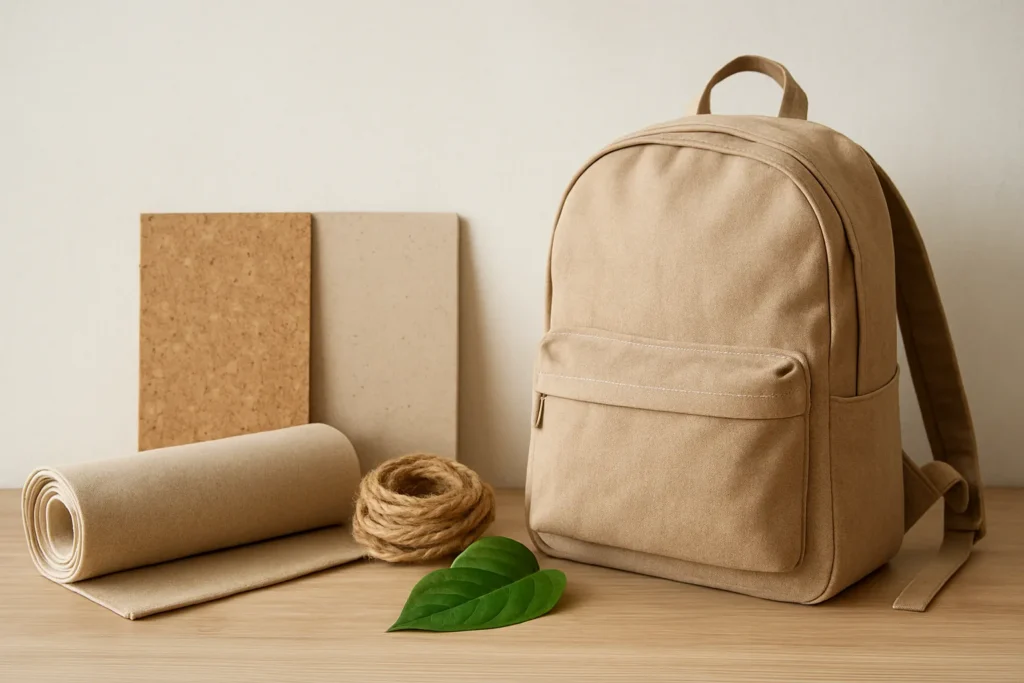
Eco-Friendly Backpack Materials for Sustainable Schools: A Guide to Eco-Friendly Options
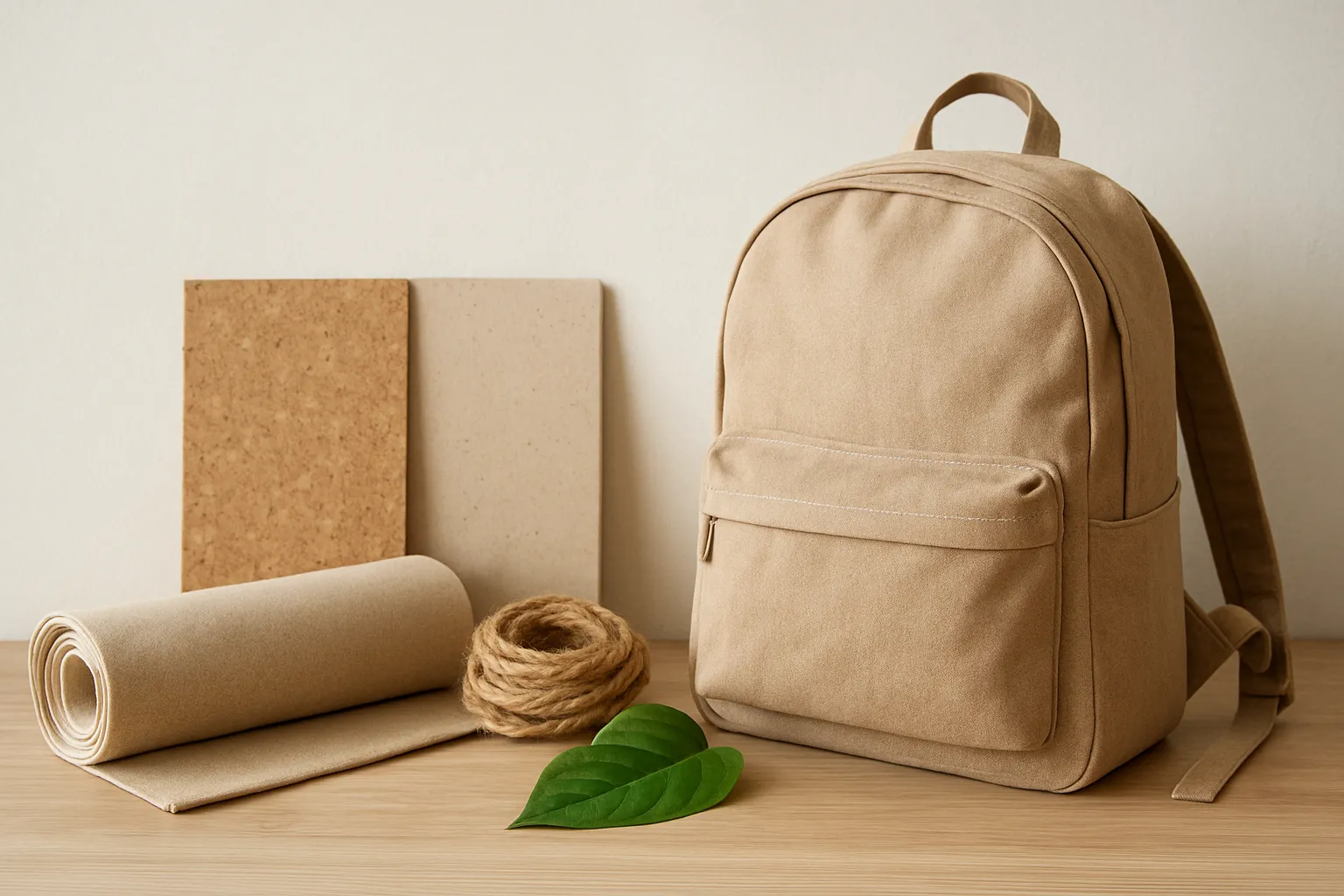
In recent years, the significance of eco-friendly backpack materials has become increasingly recognized, particularly in the consumer goods sector. As sustainability emerges as a critical focus for both businesses and consumers, the school backpack market is making a notable shift toward more environmentally friendly options. This trend is not merely a fleeting phase; it reflects a deeper awareness regarding the environmental consequences of our purchasing choices. Schools are actively seeking ways to promote sustainability, and eco-friendly backpacks are proving to be a practical solution. This article delves into the various aspects of eco-friendly backpack materials, providing valuable insights for schools and organizations dedicated to making sustainable decisions. For more information, visit our Products page and learn about sustainable options.
Understanding Eco-Friendly Backpack Materials
Eco-friendly materials are defined as substances that have a minimal impact on the environment throughout their lifecycle. This encompasses the sourcing, production, usage, and disposal phases. When it comes to school backpacks, commonly used eco-friendly materials include organic cotton, recycled polyester, hemp, and biodegradable plastics. In my experience, these materials not only help lower the carbon footprint associated with traditional manufacturing processes but also play a significant role in fostering a healthier planet by minimizing waste and pollution. For further details, you can refer to this industry reference on eco-friendly backpack materials.
Specifications of Eco-Friendly Backpacks
When evaluating eco-friendly backpacks, several specifications are essential. Durability and longevity stand out as key factors; these backpacks must endure the daily challenges of school life. Eco-friendly materials often provide durability that is comparable to conventional materials, ensuring they can withstand wear and tear over time.
Additionally, weight and comfort are crucial, as students require backpacks that are easy to carry without causing strain. Safety and non-toxic characteristics are also paramount, as parents and educators need reassurance that the materials used are safe for children. If you’re looking for quality school backpacks, check out our Products – Yiwu Kids Wonderful Bags Co., Ltd. page.
Use Cases for Eco-Friendly School Backpacks
Eco-friendly school backpacks serve a variety of purposes, making them suitable for diverse educational contexts. For everyday school use, these backpacks provide a sustainable alternative that aligns with green initiatives. They are also well-suited for outdoor activities and field trips, where durability and weather resistance are crucial.
Furthermore, specialized programs and needs, such as art classes or sports activities, can greatly benefit from eco-friendly backpacks designed to meet specific requirements while promoting sustainability.
Comparing Eco-Friendly Materials
In assessing eco-friendly materials, it’s essential to compare their characteristics. Organic cotton is a popular choice due to its soft texture and sustainability, yet it may not be as water-resistant as recycled polyester, which is produced from post-consumer plastic bottles. Hemp is another robust option known for its strength and durability, while biodegradable plastics offer an innovative approach to reducing waste.
A cost analysis reveals that while eco-friendly materials may have a higher initial cost, the long-term benefits, including durability and reduced environmental impact, often justify the investment.
Sourcing Eco-Friendly Backpack Materials
For schools aiming to adopt eco-friendly backpacks, sourcing reliable materials is critical. The first step is to identify suppliers specializing in sustainable products. Certifications such as Global Organic Textile Standard (GOTS) and OEKO-TEX Standard 100 can help ensure that materials meet specific environmental and safety standards.
Additionally, ethical sourcing practices, including fair labor conditions and environmentally responsible production methods, should be prioritized to align with sustainability values.
Implementation in Schools
Introducing eco-friendly backpacks into schools requires careful planning. Schools can initiate awareness campaigns to educate students and parents about the benefits of using sustainable products. Workshops or informational sessions can effectively clarify the importance of eco-friendly choices.
Furthermore, measuring the impact of these initiatives through surveys and feedback can provide valuable insights into community responses and areas for improvement.
Frequently Asked Questions
What makes a backpack eco-friendly? An eco-friendly backpack is typically made from sustainable materials, produced through environmentally conscious methods, and designed for durability and safety.
How do eco-friendly backpacks compare in price? While the initial cost of eco-friendly backpacks may be higher than traditional options, their durability and reduced environmental impact can lead to cost savings over time.
Are there any limitations to eco-friendly materials? Some eco-friendly materials may have specific limitations, such as water resistance or weight capacity, which should be considered based on the intended use of the backpack.
In conclusion, the shift toward eco-friendly backpack materials presents a significant opportunity for schools to embrace sustainability. By understanding the various materials available, their specifications, and how to implement them effectively, educational institutions can positively impact the environment while providing students with high-quality, durable products. As the demand for sustainable options continues to grow, eco-friendly backpacks are poised to become a staple in schools worldwide.